Table of Contents
Organizations invest millions in leadership programs annually. Understanding how to measure leadership development becomes critical for proving value and securing continued support. However, many companies struggle to demonstrate tangible returns on these investments.
Measurement transforms leadership development from a cost centre into a strategic advantage. Moreover, it provides data that guides program improvements and validates effectiveness. Therefore, establishing clear metrics and tracking systems represents essential work for learning and development teams.
This guide explores practical approaches for measuring leadership development results. In addition, we’ll examine proven frameworks and metrics that demonstrate program impact.
Why Measuring Leadership Development Matters
Many organizations treat leadership development as an act of faith. They invest resources hoping for positive outcomes without systematic measurement. However, this approach leaves programs vulnerable during budget cuts and prevents optimization.
How to measure leadership development determines whether programs survive and thrive. Organizations demonstrating clear returns secure ongoing funding easily. Furthermore, measurement data reveals what works and what needs adjustment.
Let’s Work Together!
Looking forward to exploring how Learnit can support your learning & development programs.
Leadership impacts employee engagement significantly across organizations. Quantifying this impact justifies continued investment in development. Therefore, measurement becomes the bridge between spending and demonstrable business value.
Stakeholders increasingly demand evidence of program effectiveness. Executives want to know whether leadership investments deliver results. Moreover, they expect data connecting development activities to business outcomes clearly.
The Challenge of Measuring Leadership Development
Measuring leadership development is one of the biggest challenges organizations face today. Leadership behaviours evolve gradually, and multiple factors influence outcomes well beyond training alone.
One of the core difficulties is direct attribution. Did performance improve because of your leadership development program – or because of other initiatives running in parallel? Isolating program effects from environmental factors requires careful, structured analysis.
Behaviour change remains the gold standard for measuring leadership development. However, tracking sustained behavioural shifts takes time, resources, and a clear framework. Organizations need measurement approaches that balance rigour with practicality – without overwhelming HR teams or managers.
The most common mistake? Measuring only completion rates and satisfaction scores. While easy to track, these metrics offer little insight into actual program effectiveness. More importantly, they fail to connect leadership development activities to real business results – making it harder to justify investment and secure future budget.
Before measuring leadership development results, it helps to understand the investment involved. Reviewing leadership-development-cost gives organizations a clearer picture of program pricing, budget planning, and how to align spending with measurable outcomes for maximum ROI.
Effective measurement also requires evaluating individual leader behaviour in real workplace situations. Learning how-to-coach-an-arrogant-employee equips managers with practical techniques to address difficult behaviours, track coaching progress, and connect interpersonal development directly to broader leadership performance metrics.
To truly understand how to measure leadership development, organizations must move beyond surface-level data and focus on metrics that reflect genuine behavioural and business impact.
The Kirkpatrick Model Framework
The Kirkpatrick Model provides a proven structure for measuring training effectiveness. This framework evaluates programs across four progressive levels. Moreover, each level builds upon previous ones, creating a comprehensive assessment.
How to measure leadership development starts with understanding this foundational model. Organizations worldwide use Kirkpatrick’s approach successfully. Furthermore, the framework scales from small programs to enterprise-wide initiatives.
Level 1: Measuring Reaction
Reaction measurement assesses participant experience and engagement. Leaders should find programs relevant, engaging, and applicable. Moreover, positive reactions predict future application likelihood.

Traditional satisfaction surveys capture basic reaction data. However, deeper measurement examines engagement during sessions. Furthermore, perceived relevance to actual work provides crucial insights.
Ask participants whether the content connects to their responsibilities. Will they have opportunities to apply new skills? Moreover, gauge their motivation for implementing what they learned.
Let’s Work Together!
Looking forward to exploring how Learnit can support your learning & development programs.
Personal motivation and job relevance predict behaviour change strongly. When leaders see clear application opportunities, implementation increases significantly. Therefore, reaction measurement should emphasize these factors specifically.
Level 2: Measuring Learning
Learning measurement evaluates knowledge and skill acquisition. Did participants understand concepts taught in programs? Moreover, can they demonstrate new capabilities when tested?
How to measure leadership development at this level requires clear learning objectives. Define specific knowledge and skills programs should develop. Furthermore, test participants before and after training to measure growth.
Knowledge checks verify theoretical understanding effectively. However, skill demonstrations provide better evidence of capability. Therefore, incorporate practical assessments whenever possible.
Leadership development best practices emphasize outcome-based design. Programs with clear learning objectives enable better measurement. Moreover, specific objectives guide assessment tool development.
Level 3: Measuring Behaviour Change
Behaviour change represents the most valuable measurement level. Are leaders applying learned skills in their roles? Moreover, do others observe sustained behavioural improvements?
Understanding how to measure leadership development behaviour requires multiple data sources. Self-assessments provide one perspective on the application. However, observer feedback delivers more objective evidence.
Survey managers, peers, and direct reports about behavioural changes. What specific improvements do they notice? Furthermore, compare observations before and after program participation.
Behaviour change takes time to manifest and stabilize. Measure at multiple intervals following program completion. Moreover, track whether changes persist over six to twelve months.
Giving feedback as a manager improves when leaders develop coaching skills. Programs teaching feedback skills should measure whether leaders provide more frequent, higher-quality feedback. Therefore, behavioural metrics must align with specific competencies taught.
Level 4: Measuring Business Results
Results measurement connects leadership development to organizational outcomes. How do improved leaders affect business performance? Moreover, what financial returns justify program investments?
Business metrics vary based on organizational priorities. Common measures include productivity, quality, turnover, and engagement. Furthermore, revenue and profitability demonstrate financial impact clearly.
Let’s Work Together!
Looking forward to exploring how Learnit can support your learning & development programs.
Comparing groups with and without training reveals program effects. Control groups help isolate the development impact from other variables. Moreover, longitudinal tracking shows sustained benefits over time.
Calculate return on investment by comparing program costs against financial gains. Reduced turnover saves recruitment and training expenses. Furthermore, improved productivity generates additional revenue or capacity.
Key Performance Indicators for Leadership Development
Beyond the Kirkpatrick framework, specific KPIs provide ongoing program insights. These metrics track progress and signal needed adjustments. Moreover, they create dashboards communicating value to stakeholders.
Participation and Completion Metrics
Track how many leaders participate in development programs. What percentage of programs are successful? Furthermore, monitor time-to-completion for self-paced offerings.
While not outcome measures, participation metrics indicate program accessibility. Low completion rates signal engagement or relevance problems. Therefore, these leading indicators deserve monitoring attention.
Skill Assessment Results
Pre and post-assessment scores demonstrate capability growth. How much do leadership skills improve through programs? Moreover, which competencies show the strongest development?
360-degree assessments provide comprehensive skill feedback. Collect ratings from multiple perspectives at program start and completion. Furthermore, track individual and aggregate improvement patterns.
Questions managers should ask direct reports improve after communication training. Measure whether leaders conduct more effective one-on-ones post-development. Therefore, skill assessments should connect to observable behaviours.
Team Performance Indicators
Leadership development should improve team outcomes measurably. How to measure leadership development impact on teams requires examining collective performance. Moreover, track changes in team-level metrics following leader training.
Team engagement scores often improve under developed leaders. Measure employee engagement before and after the leader program participation. Furthermore, monitor whether improvements sustain over time.
Productivity metrics reveal whether developed leaders deliver better results. Track output, quality, and efficiency for teams with trained leaders. Moreover, compare performance against teams with untrained leaders.
Turnover rates decrease when leaders develop people management skills. Monitor retention among team members reporting to program participants. Furthermore, calculate cost savings from reduced unwanted attrition.
Organizational Culture Metrics
Leadership development shapes organizational culture over time. How do programs influence collaboration, innovation, and decision-making? Moreover, do developed leaders create healthier work environments?
Culture surveys assess workplace atmosphere and norms. Administer surveys before launching leadership programs and periodically afterwards. Furthermore, track cultural indicator trends over multiple years.
Let’s Work Together!
Looking forward to exploring how Learnit can support your learning & development programs.
Establishing trust with teams becomes easier for developed leaders. Programs teaching trust-building should correlate with improved trust scores. Therefore, culture measurement should align with program objectives.
Career Progression Data
Strong leadership programs prepare people for advancement. Track promotion rates among program participants versus non-participants. Moreover, monitor whether developed leaders assume greater responsibilities.
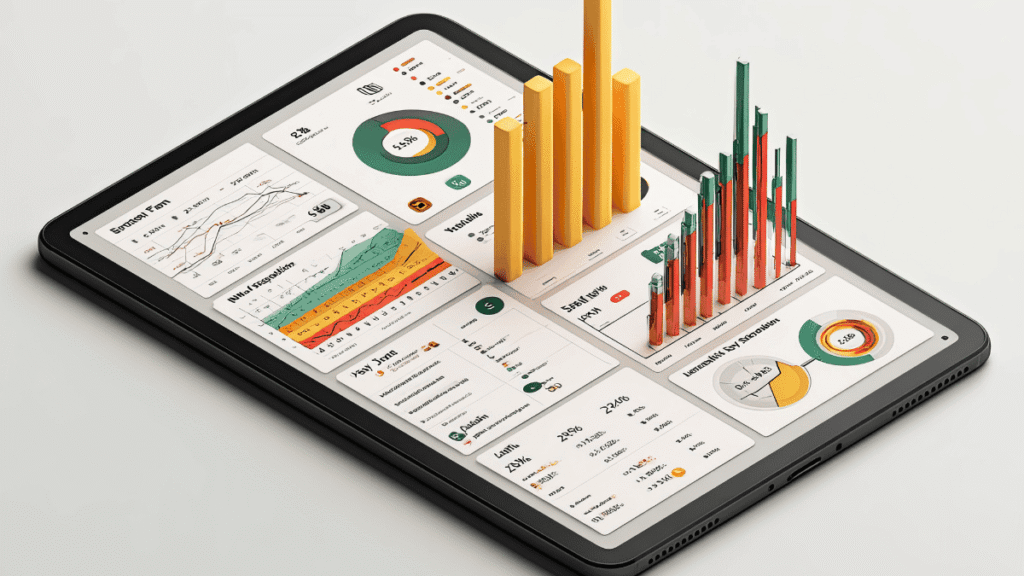
Internal promotion rates indicate pipeline strength. Organizations filling positions internally demonstrate development effectiveness. Furthermore, this metric connects to succession planning success.
Time-to-promotion provides another valuable indicator. Do program participants advance faster than peers? Moreover, does accelerated promotion align with business needs?
Establishing Measurement Systems
Knowing how to measure leadership development requires systematic approaches. Design measurement plans during program development, not afterwards. Moreover, integrate data collection into normal program operations.
Define Clear Objectives
Start by articulating specific program outcomes. What should leaders know, do, and achieve differently? Furthermore, how should teams and organizations benefit?
Objectives guide measurement selection and assessment design. Vague goals produce meaningless data collection. Therefore, invest time in defining concrete, measurable outcomes.
Connect program objectives to business priorities directly. Which organizational challenges should leadership development address? Moreover, how will success manifest in performance indicators?
Select Appropriate Metrics
Choose metrics aligning with program objectives and stakeholder priorities. What data will demonstrate value most convincingly? Furthermore, consider data collection feasibility and cost.
Balance leading and lagging indicators in measurement plans. Leading indicators signal progress toward outcomes. Moreover, lagging indicators confirm actual results achievement.
Mix quantitative and qualitative data for a comprehensive understanding. Numbers show trends and magnitudes clearly. However, stories and examples illustrate impact meaningfully.
Plan Data Collection
Determine who will collect data and when. Which systems and tools will capture the needed information? Moreover, how will you ensure data quality and consistency?
First-time manager transitions benefit from structured measurement. Track new manager success rates and time-to-proficiency. Therefore, design measurement approaches appropriate for target audiences.
Automate data collection wherever possible. Manual processes require excessive time and introduce errors. Furthermore, automated systems enable real-time monitoring and reporting.
Analyze and Report Results
Raw data becomes valuable through analysis and interpretation. What patterns and trends appear in the numbers? Moreover, what insights guide program improvements?
Create dashboards visualizing key metrics for stakeholders. Executives need high-level overviews at a glance. Furthermore, program managers require detailed data supporting decisions.
Let’s Work Together!
Looking forward to exploring how Learnit can support your learning & development programs.
Tell stories bringing data to life meaningfully. Share specific examples illustrating statistical trends. Moreover, connect quantitative improvements to individual experiences.
Overcoming Measurement Challenges
Many obstacles prevent effective leadership development measurement. Understanding these challenges helps develop solutions. Moreover, proactive planning addresses common pitfalls.
Time and Resource Constraints
Comprehensive measurement requires time and resources. Organizations struggle to balance measurement rigour with cost. However, strategic approaches maximize value from limited investments.
Focus measurement efforts on high-priority outcomes. Use efficient tools and methods to reduce manual work. Furthermore, leverage technology for data collection and analysis.
Attribution Difficulties
Multiple factors influence leadership performance simultaneously. How to measure leadership development impact specifically proves challenging. However, careful design isolates program effects reasonably.
Use control groups comparing outcomes with and without training. Furthermore, collect baseline data before program participation, enabling before-and-after comparisons.
Behavioural Change Tracking
Sustained behaviour change represents the ultimate goal. However, observation requires time and involves multiple perspectives. Therefore, efficient tracking methods become essential.
Managing existing teams requires specific skills measurable through observation. Use 360-degree feedback, capturing multiple viewpoints. Furthermore, focus on observable behaviours linked to business outcomes.
Real-World Measurement Examples
Understanding how to measure leadership development becomes clearer through examples. These cases demonstrate practical measurement approaches showing tangible organizational results.
Manufacturing Company Turnover Reduction
A manufacturing firm implemented frontline leader training, measuring turnover rates before and after program rollout. Results showed 80% turnover reduction in trained supervisor plants. Furthermore, financial analysis revealed $20 million in savings from reduced recruitment costs.
Pharmaceutical Sales Performance
A pharmaceutical company trained sales managers in coaching skills, tracking sales volume and representative productivity. Sales volume increased 105% in territories with trained managers. Moreover, return on investment calculations showed a 3:1 benefits-to-costs ratio justifying program expansion.
Continuous Improvement Through Measurement
How to measure leadership development enables ongoing optimization. Regular assessment reveals what works and what doesn’t. Moreover, data guides resource allocation toward highest-impact activities.
Analyze which program elements correlate with the strongest outcomes. Furthermore, experiment with program variations, measuring comparative results systematically.
Mentoring supports leadership growth when designed well. Measure mentoring program outcomes against development objectives. Therefore, assess whether mentoring adds value beyond formal training.
Frequently Asked Questions
What metrics matter most for leadership development?
Behavior change and business results matter most as they demonstrate actual impact. However, reaction and learning metrics provide early indicators predicting success. Moreover, combining multiple levels creates comprehensive understanding of program effectiveness.
How long after training should we measure results?
Measure reactions immediately while learning occurs during programs. Assess behaviour change three to six months post-training allowing application time. Furthermore, evaluate business results six to twelve months later revealing sustained impacts.
How do we prove leadership development ROI?
Calculate costs including development time, materials, and delivery expenses. Then measure financial benefits through reduced turnover, improved productivity, and increased revenue. Moreover, compare benefits against costs expressing ROI as percentage or ratio.
What if we can’t use control groups?
Use before-and-after comparisons that measure participants against their own baselines. Furthermore, track trends over time revealing changes coinciding with program participation. Moreover, qualitative data and participant testimonials provide supporting evidence.
Should participants or observers measure behavior change?
Both perspectives provide value. Participants understand their intentions and efforts while observers see actual behaviors objectively. Therefore, collect multi-source feedback through 360-degree assessments or stakeholder surveys.
Conclusion
Understanding how to measure leadership development transforms programs from expense to investment. Organizations implementing systematic measurement demonstrate clear value, secure continued funding, and optimize effectiveness through data-driven improvements. Therefore, establish comprehensive measurement plans that consistently address stakeholder priorities and business outcomes.