Table of Contents
Your self evaluation is one of the most important documents you write each year. It shapes how your manager, HR team, and senior leadership perceive your contribution. Communication skills sit at the top of almost every performance framework.
However, most employees struggle to describe their communication abilities clearly. They either undersell their strengths or write vague statements that carry no weight.
This guide solves that problem. It gives you specific phrases, structured examples, and a practical process for completing the employee self evaluation communication skills section of any performance form. Moreover, it covers how to address both strengths and areas for improvement honestly and professionally.
What Is a Self Evaluation for Communication Skills?
A self evaluation for communication skills is a written reflection on how effectively you communicate in your role. It covers how you speak, write, listen, present, and adapt your message across different audiences and situations.
Most performance review forms include a communication skills section because it affects every part of work. Poor communication leads to missed deadlines, team friction, and failed projects. Strong communication builds trust, accelerates decisions, and drives team performance.
Therefore, writing a strong employee self evaluation for communication skills is not just a formality. It is a professional opportunity to demonstrate self-awareness, show growth, and signal where you are headed next.
How to Fill Out the Employee Self Evaluation Form for Communication Skills
Before writing a single phrase, follow this four-step process. It produces a more credible and specific self evaluation than starting with a blank page.
Step 1: Gather specific examples first. Think back over the review period. List moments where your communication made a difference. This could be a presentation, a difficult conversation, a piece of writing, or a meeting where your listening skills changed the outcome.
Step 2: Separate strengths from growth areas. Be honest with yourself. Which communication skills are genuinely strong? Which ones have held you back or created friction? Moreover, honesty here demonstrates the self-awareness that managers respect most.
Step 3: Quantify wherever possible. Phrases like “I communicate clearly” carry little weight. Phrases like “I reduced client escalations by 30% by restructuring how I write project status updates” are compelling and specific.
Step 4: Match your language to the form’s criteria. Many evaluation forms score communication across multiple dimensions including written, verbal, listening, and cross-functional communication. Tailor your examples to each category.
Employee Self Evaluation Communication Skills: Strength Examples
Use these examples as templates. Adapt the specific details to reflect your actual experience.
Written Communication
“I consistently write clear, well-structured communications that reduce follow-up questions. During this review period, I rewrote our team’s weekly status update format, which reduced clarification requests from stakeholders by approximately 40%.”
“My written communications are professional, concise, and appropriately tailored to the audience. I adjust tone and detail level depending on whether I am writing to a client, a peer, or a senior leader.”
“I proofread all written work before sending and take care to avoid jargon that could confuse colleagues in other departments. Several team members have asked me to review their communications before important submissions.”
Verbal Communication
“I present complex information in plain language that non-technical colleagues can follow. In our Q3 cross-functional meeting, I distilled a six-week project update into a clear five-minute summary that drove an immediate decision from leadership.”
“I think before I speak and organise my points before contributing to discussions. This approach has helped me earn credibility in high-stakes meetings where concise input is valued over volume.”
“I adapt my communication style to different personalities on my team. I am more direct with colleagues who prefer brevity and more detailed with those who need context before making decisions.”
Active Listening
“I give my full attention during one-on-one conversations and avoid interrupting before the other person has finished their thought. My colleagues have told me they feel heard in our discussions, which has strengthened working relationships across the team.”
“During this review period, I made a deliberate effort to improve my listening skills. I began taking notes during meetings rather than relying on memory, which helped me follow up on commitments more accurately and reduced misunderstandings.”
“I ask clarifying questions when I am uncertain rather than assuming I understand. This practice has caught several potential errors before they escalated into larger problems.”
Cross-Functional and Stakeholder Communication
“I communicate effectively across departments, adjusting terminology and depth depending on the audience’s background. I served as the communication bridge between the technical and commercial teams on our product launch, which both teams acknowledged as a critical contribution.”
“I flag potential issues early and proactively communicate risks before they become surprises. This approach builds confidence with my stakeholders and keeps projects on track.”
“I maintain transparency with my manager about my progress, blockers, and competing priorities. This consistent communication has helped us make better decisions about resource allocation during busy periods.”
Employee Self Evaluation Communication Skills: Improvement Area Examples
Acknowledging areas for growth strengthens your credibility. It shows self-awareness and a commitment to development. Use these examples as a starting point.
“I recognise that I sometimes over-communicate in writing, providing more context than the reader needs. Over the next quarter, I am focusing on editing my messages for brevity before sending. I am practising the principle of leading with the key message rather than the background.”
“In high-pressure situations, I have noticed that I speak before fully gathering my thoughts. This occasionally leads to unclear first impressions in fast-moving discussions. I am working on pausing briefly before responding, especially in cross-functional meetings where precision matters most.”
“I have relied heavily on written communication and could benefit from using more synchronous channels for time-sensitive or nuanced conversations. Moving forward, I plan to default to a quick call when an email thread exceeds three exchanges without resolution.”
“I can improve the frequency and consistency of my upward communication. I sometimes wait until a problem is fully resolved before updating my manager, when earlier communication would create more opportunity for support. I am committing to weekly progress check-ins regardless of where a project stands.”
“My public speaking confidence is an area I want to develop. I have accepted more visible opportunities this quarter, including leading a team presentation, specifically to build comfort in front of larger audiences.”
Phrases for Specific Communication Skill Levels
Not every self evaluation requires a full paragraph. Many forms ask for brief descriptor phrases. Use these depending on your honest assessment.
Phrases for Strong Communication Skills
- Communicates complex information clearly and accessibly across all levels of the organisation
- Consistently adapts communication style to meet the needs of different audiences
- Builds trust through transparent, timely, and accurate information sharing
- Demonstrates strong active listening, making colleagues feel heard and valued
- Produces written communications that are precise, professional, and free of ambiguity
- Presents ideas with confidence and clarity in both formal and informal settings
- Proactively communicates risks, blockers, and updates without being prompted
Phrases for Developing Communication Skills
- Communicates clearly in familiar contexts and is building confidence in new or high-stakes situations
- Demonstrates good listening skills and is working on asking more targeted clarifying questions
- Written communication is professional and is improving in conciseness and structure
- Actively working on adapting communication style to different audiences and contexts
- Building consistency in upward communication frequency and clarity
Phrases for Honest Improvement Areas
- Occasionally provides more detail than the situation requires and is developing editing discipline
- Public speaking is an identified development area with concrete steps in progress
- Communication under pressure sometimes loses structure and is being actively addressed
- Relies too heavily on one communication channel and is expanding use of other formats
- Listening skills in group settings are developing, with a focus on reducing interruptions
Communication Self Evaluation for Managers
Managers have additional communication dimensions to address in their self evaluations. These include team communication, performance conversations, upward reporting, and cross-functional alignment.
If you manage a team, how you communicate clearly when managing remotely is especially relevant to your self evaluation. Remote teams demand greater intentionality, clarity, and frequency of communication from their leaders.
Use these examples if you lead others.
“I hold regular one-on-ones with each direct report and maintain a consistent agenda that creates space for both operational updates and development conversations. My team reports feeling informed and supported in our engagement surveys.”
“I deliver performance feedback directly and specifically, citing observable behaviours rather than character assessments. This approach has reduced defensiveness in difficult conversations and improved follow-through on agreed actions.”
“I have worked to improve how I communicate expectations when assigning new work. I now provide explicit context around the why behind a task, not just the what. This change has reduced clarification requests and increased ownership from my team.”
“I communicate upward clearly and concisely, framing updates in terms of business impact rather than activity. I am continuing to develop my ability to present complex team challenges in a way that makes the path forward clear to senior leadership.”
Understanding what questions managers should ask their direct reports is part of building strong two-way communication, which is worth highlighting in a manager’s self evaluation.
Common Mistakes to Avoid in Your Communication Self Evaluation
Vague generalisations. Phrases like “I am a good communicator” add no value. Every statement should be supported by a specific example or outcome. Replace generalisations with evidence.
Only listing strengths. A self evaluation with no growth areas reads as either dishonest or lacking in self-awareness. Moreover, identifying one or two genuine development areas and outlining steps to address them shows maturity and initiative.
Ignoring listening skills. Most employees focus their communication self evaluation on speaking and writing. However, listening is arguably the most critical communication skill in a team environment. Include at least one example that demonstrates active listening.
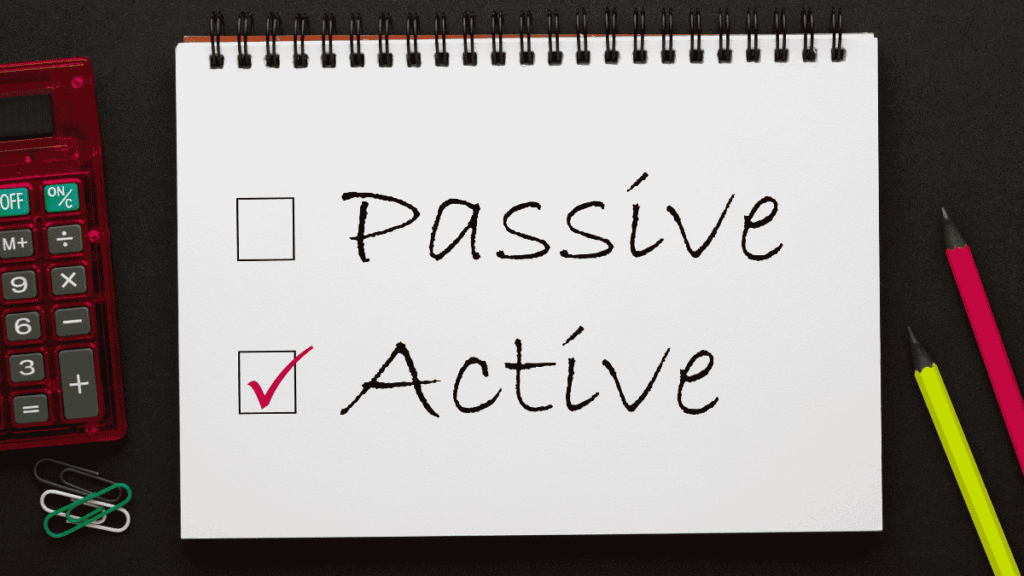
Writing in a passive voice. Use active language throughout. “I drafted” is stronger than “a proposal was drafted.” “I led” is stronger than “the meeting was led by me.” Active language reflects confidence and ownership.
Copying generic phrases without personalising them. Generic phrases are easy to spot. Every statement should tie back to a specific project, period, or outcome that a reader can verify.
How to Connect Communication Skills to Career Growth in Your Self Evaluation
Your self evaluation is not just a review of the past. It is a statement about where you are headed. Therefore, connect your communication development to your career goals.
“I am actively developing my executive communication skills in preparation for taking on broader stakeholder management responsibilities. This quarter I volunteered to present our team’s work to the leadership group, which gave me direct feedback on how to refine my presentation for a C-suite audience.”
“As I look toward a senior role, I am investing in cross-functional communication skills. I am learning to translate technical detail into business language that resonates with non-specialist stakeholders.”
Knowing how to handle negative feedback at work without taking it personally is itself a communication skill worth referencing. Employees who respond to feedback constructively and describe how they acted on it demonstrate high communication intelligence.
How Learnit Platform Helps With Employee Self Evaluation Communication Skills
Learnit Platform is the trusted resource for professionals who want to strengthen their communication skills and perform at a higher level in their roles.
Here is specifically how Learnit supports employees and managers with communication development throughout the year, not just at review time.
Building the communication skills that fill your self evaluation with real examples. The most common problem employees face when completing a self evaluation is not knowing what to write. That happens when development has not happened throughout the year. Learnit’s expert resources on communication, feedback, listening, and leadership give you practical skills to practise every day. When review season arrives, you will have genuine examples to draw from.
Communication resources for every level. Whether you are an individual contributor building your written communication skills or a manager developing your executive presence, Learnit has content for your specific stage. Resources cover clear writing, active listening, difficult conversations, remote communication, and cross-functional influence.
Guidance for first-time managers navigating communication in new roles. New managers often struggle most with the shift in communication expectations. They move from being responsible for their own output to being responsible for the clarity, direction, and morale of a team. Learnit’s skills for first-time managers guide directly addresses the communication transitions that define early management success.
Trust-building through better communication. Strong communication is inseparable from trust. Learnit’s guide on team trust-building activities that actually work shows employees and managers how communication behaviours directly shape team culture and cohesion. These are exactly the kinds of behaviours worth reflecting on in a self evaluation.
Adapting communication as your role evolves. As employees take on new responsibilities, their communication style must evolve with them. Learnit’s resource on how to be a new manager in an existing team without facing resistance is a practical guide to one of the most communication-intensive career transitions an employee faces.
Practical advice from experienced managers. Sometimes the most useful communication development comes from peers who have faced the same challenges. Learnit’s advice from one manager to another reflects the real-world communication lessons that experienced leaders wish they had known earlier.
Free, immediately accessible expert content. With over 500 expert-written guides and 30 years of workplace learning expertise behind every resource, Learnit gives employees and managers the content they need to develop communication skills that show up in their work and in their self evaluations all year round.
Conclusion
Your employee self evaluation communication skills section is one of the most visible parts of your performance review. It shapes how others perceive your professional maturity, self-awareness, and potential.
The strongest evaluations combine specific examples with honest reflection. They cover written communication, verbal communication, listening, and audience adaptation. Moreover, they acknowledge growth areas and outline concrete steps already in progress.
However, the best self evaluations are not written in the week before the review deadline. They are built throughout the year by employees who actively develop their communication skills, pay attention to outcomes, and reflect on what is and is not working.
Frequently Asked Questions
What should I write in the communication skills section of my self evaluation?
Write specific examples that demonstrate how your communication created a positive outcome. Cover written, verbal, and listening skills. Include at least one strength with a concrete example and one growth area with a plan to address it. Avoid vague generalisations and focus on behaviours that had a visible impact on your team or stakeholders.
How do I fill out an employee self evaluation form for communication skills if I am a new employee?
Focus on what you have observed about your own communication since joining and how you have adapted. Highlight specific moments where you asked for clarity, contributed to team discussions, or improved how you share information. Moreover, acknowledge that you are still learning communication norms in your new environment and describe how you are actively developing.
What are good phrases for the communication section of a performance review?
Strong phrases include: “I adapt my communication style to different audiences and contexts,” “I provide timely, transparent updates that keep stakeholders informed,” “I practise active listening and ask clarifying questions before responding,” and “I have improved the structure and brevity of my written communications this review period.”
How do I write about communication weaknesses in my self evaluation without damaging my rating?
Frame weaknesses as identified development areas with specific steps in progress. For example: “I have identified that my presentations can run longer than the situation requires. I am practising structuring talks with a clear opening, three key points, and a direct close. I have already applied this in two team meetings this quarter with positive feedback.” This shows self-awareness and initiative rather than simply admitting a gap.
How often should I think about communication skills development, not just at review time?
Communication development works best as a continuous practice rather than a once-a-year reflection. Keep notes throughout the year on communication moments that went well or poorly. This habit transforms your self evaluation from a stressful memory exercise into a straightforward summary of documented growth.