Table of Contents
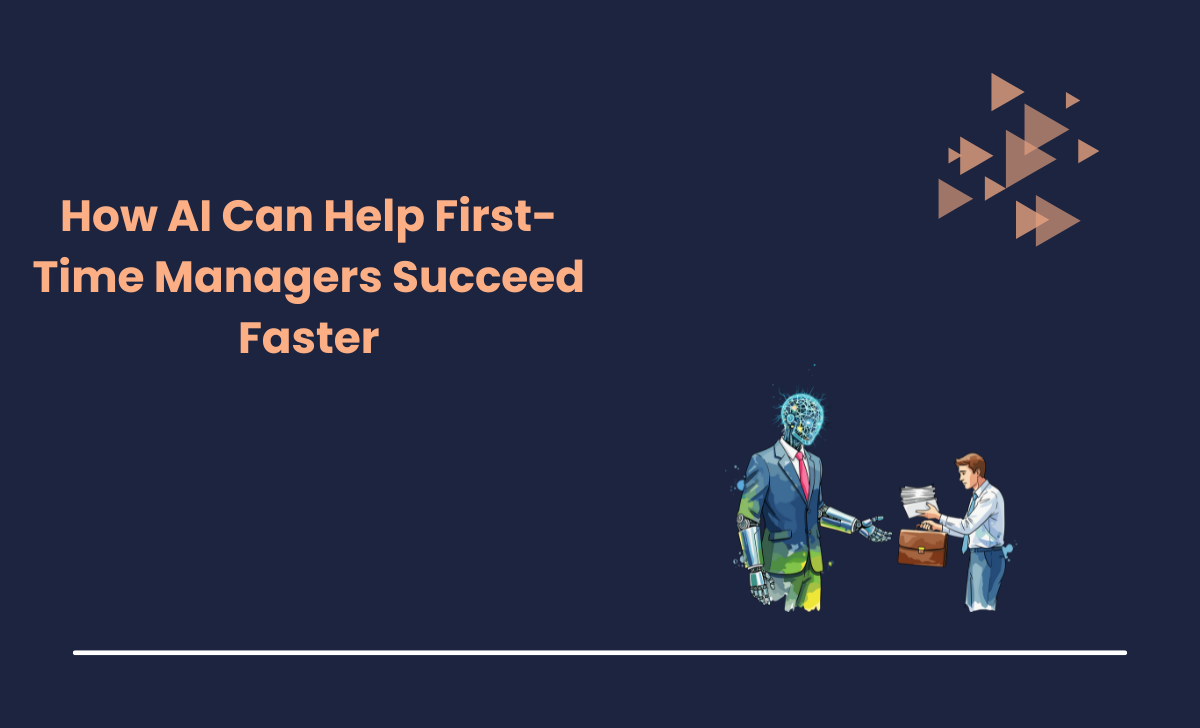
Stepping into management feels overwhelming for most new leaders. However, AI for new managers transforms this challenge into an opportunity. Moreover, artificial intelligence provides the support tools that help first-time managers thrive.
Why New Managers Struggle Without Support
The transition from individual contributor to manager represents one of the career’s biggest challenges. New managers face unfamiliar responsibilities without adequate preparation. Furthermore, they must balance coaching teams while delivering results themselves.
Research shows that 60% of new managers fail within their first year. The reasons include insufficient training, unclear expectations, and a lack of practical guidance. In addition, new managers often feel isolated without proper support systems.
Traditional management training programs take months to complete. However, AI for new managers provides immediate, personalized guidance. Therefore, new leaders can access support exactly when they need it. New managers transition faces unique challenges requiring specialized support and guidance.
Understanding New Manager Support Tools
New manager support tools encompass resources that help leaders succeed quickly. These tools range from AI-powered coaching platforms to automated feedback systems. Moreover, they provide real-time guidance during critical management moments.
Let’s Work Together!
Looking forward to exploring how Learnit can support your learning & development programs.
Modern onboarding AI solutions accelerate the learning curve for new managers. They offer personalized development paths based on individual strengths and weaknesses. Furthermore, these systems adapt as managers gain experience and face new challenges.
Key categories of new manager support tools include:
- AI coaching platforms – Provide personalized management advice and feedback
- Automated task management – Handle administrative duties freeing time for leadership
- Communication assistants – Help craft effective messages to teams and stakeholders
- Decision-making frameworks – Guide managers through complex choices
- Performance tracking systems – Monitor team progress and identify intervention needs
How AI for New Managers Transforms Leadership
Personalized Coaching at Scale
Traditional management coaching costs thousands of dollars and requires scheduling weeks in advance. However, AI for new managers delivers instant coaching 24/7. Therefore, new leaders receive guidance exactly when critical situations arise.
AI coaching platforms analyze your management style and provide tailored recommendations. Moreover, they identify blind spots that human coaches might miss. These systems learn from thousands of management scenarios across industries.
New managers can practice difficult conversations with AI before facing real situations. Furthermore, they receive immediate feedback on their communication approach. This safe practice environment builds confidence without risking team relationships.
Streamlining Administrative Tasks
New managers often drown in administrative work that prevents actual leadership. AI tools automate meeting scheduling, report generation, and status updates. Moreover, these systems free up 10-15 hours weekly for meaningful team interactions.

Onboarding AI handles routine documentation and compliance requirements. New managers can focus on understanding their team members rather than paperwork. In addition, automated systems ensure nothing falls through administrative cracks.
Task prioritization becomes easier with AI analyzing workload and deadlines. Furthermore, new managers receive alerts when critical items need attention. This proactive approach prevents last-minute scrambles.
Improving Communication Skills
Effective communication represents the foundation of good management. However, new managers struggle with message clarity and tone. Therefore, AI for new managers provides real-time communication coaching.
AI writing assistants help draft emails, announcements, and feedback messages. Moreover, they suggest improvements for clarity and professionalism. New managers learn effective communication patterns through consistent AI guidance.
Giving feedback as a manager requires practice and refinement that AI tools facilitate effectively.
These new manager support tools analyze message tone to ensure appropriate emotional context. Furthermore, they flag potentially problematic phrasing before messages are sent. This quality control prevents communication mishaps.
Enhancing Decision-Making Capabilities
New managers face dozens of decisions daily without clear frameworks. AI for new managers provides structured decision-making support. Moreover, these systems present relevant data and potential consequences for each choice.
Let’s Work Together!
Looking forward to exploring how Learnit can support your learning & development programs.
Decision support AI considers team dynamics, project constraints, and organizational goals. Therefore, new managers make more informed choices faster. In addition, AI documents reasoning behind decisions for future reference.
These tools identify patterns in decision outcomes over time. Furthermore, they help new managers recognize which approaches work best in specific situations. This pattern recognition accelerates leadership maturity.
Implementing AI for New Managers Successfully
Selecting the Right Tools
Not all AI tools serve new managers equally well. Start by identifying your biggest management challenges. Moreover, focus on tools addressing those specific pain points.
Consider these selection criteria:
- Ease of use – Tools should require minimal learning curves
- Integration capabilities – Systems must work with existing platforms
- Customization options – Solutions should adapt to your management style
- Privacy protections – Ensure sensitive team information stays secure
- Scalability features – Tools should grow with your management responsibilities
Test multiple AI for new managers’ solutions before committing. Furthermore, seek recommendations from experienced leaders in your organization. Their insights reveal which tools deliver genuine value.
Building AI Literacy
Effective use of new manager support tools requires basic AI understanding. Learn how these systems work and their limitations. Moreover, understand when human judgment must override AI recommendations.
Invest time exploring AI capabilities through hands-on experimentation. Furthermore, join communities where managers share AI implementation experiences. This peer learning accelerates your AI proficiency.
Remember that AI for new managers amplifies your abilities but doesn’t replace them. Therefore, maintain your unique leadership perspective while leveraging AI insights. In addition, stay curious about emerging AI capabilities.
Establishing Feedback Loops
AI systems improve through feedback about their recommendations. Regularly evaluate whether AI guidance proves helpful in real situations. Moreover, adjust your AI tool usage based on actual outcomes.
Share successful AI applications with other new managers in your organization. Furthermore, contribute to improving AI tools through user feedback programs. This collaborative approach benefits the entire management community.
Leadership guide for the first time managers covering both technical and interpersonal leadership aspects.
Reviewing leadership-development-cost helps organizations budget strategically for AI-powered management tools, compare program investment options, and ensure every training dollar spent accelerates new manager readiness and long-term leadership effectiveness.
Understanding how-to-evaluate-leadership-development helps organizations measure whether AI tools are genuinely improving new manager performance, team engagement, and decision-making effectiveness across all key leadership development metrics.
Onboarding AI: Accelerating Manager Readiness
Personalized Learning Paths
Traditional management onboarding follows one-size-fits-all approaches that waste time. However, onboarding AI creates customized learning paths for each new manager. Therefore, leaders focus on skills they actually need developing.
These systems assess current capabilities through simulations and assessments. Moreover, they identify knowledge gaps requiring immediate attention. AI then sequences learning modules for maximum effectiveness.
Let’s Work Together!
Looking forward to exploring how Learnit can support your learning & development programs.
Onboarding AI adapts as new managers demonstrate competency in specific areas. Furthermore, it introduces advanced topics when leaders show readiness. This dynamic approach accelerates time-to-proficiency significantly.
Simulated Practice Scenarios
New managers benefit enormously from practicing challenging situations before facing them. Onboarding AI provides realistic management simulations with AI-powered team members. Moreover, these practice sessions build confidence without real consequences.
Common simulation scenarios include:
- Delivering constructive feedback to defensive team members
- Handling conflicts between strong-willed direct reports
- Managing up to demanding executives
- Navigating resource constraints and competing priorities
- Leading teams through organizational changes
AI analyzes performance in these simulations and suggests improvement strategies. Furthermore, new managers can repeat scenarios until mastery. This deliberate practice proves far more effective than theoretical training.
Continuous Progress Monitoring
Onboarding AI tracks new manager development across multiple dimensions. These systems measure progress in communication, decision-making, and team building. Moreover, they identify areas where additional support proves necessary.

Progress dashboards show new managers their growth over time. Furthermore, these visualizations maintain motivation during challenging periods. Seeing tangible improvement reinforces effective management behaviors.
Overcoming Common New Manager Challenges
Building Team Trust Quickly
New managers must establish credibility and trust rapidly. AI for new managers provides frameworks for building authentic relationships. Moreover, these tools suggest team-building activities matched to specific team dynamics.
AI analyzes team member communication patterns to reveal preferences and concerns. Therefore, new managers can tailor their approach to individual needs. In addition, AI flags potential trust issues requiring proactive attention.
Building trust quickly with teams proves essential for new manager success and team performance.
Managing Former Peers
Transitioning from colleague to manager creates awkward dynamics. AI for new managers helps navigate these delicate situations professionally. Moreover, these tools provide scripts for difficult conversations about new boundaries.
New manager support tools suggest strategies for maintaining friendships while establishing authority. Furthermore, they help identify when informal relationships compromise team effectiveness. This guidance prevents common peer-manager pitfalls.
Balancing Task Work and Leadership
New managers struggle disconnecting from their previous individual contributor work. However, effective leadership requires dedicating time to team development. Therefore, AI for new managers helps prioritize genuine leadership activities.
These tools analyze time allocation and flag when managers spend too much on task work. Moreover, they suggest delegation opportunities that develop team capabilities. In addition, AI provides templates for effective delegation conversations.
Handling Performance Issues
Addressing poor performance represents new managers’ most dreaded responsibility. AI for new managers provides step-by-step guidance through performance conversations. Moreover, these tools help document issues properly for HR compliance.
Let’s Work Together!
Looking forward to exploring how Learnit can support your learning & development programs.
Performance management AI suggests appropriate interventions based on situation specifics. Furthermore, it helps new managers distinguish between skill gaps and motivational issues. This nuanced guidance prevents inappropriate responses.
Measuring AI Impact on Management Success
Key Performance Indicators
Track specific metrics revealing AI tool effectiveness for new managers. Monitor team engagement scores before and after implementing AI support tools. Moreover, measure time-to-proficiency compared to traditional manager development timelines.
Important metrics include:
- Team satisfaction scores
- Employee retention rates
- Project completion percentages
- Feedback quality improvements
- Time spent on administrative tasks
- Decision-making speed and accuracy
Compare results with new managers not using AI for new managers tools. Furthermore, conduct regular surveys about AI tool helpfulness. This data-driven approach demonstrates genuine value.
Continuous Improvement
Use measurement insights to refine your AI for a new manager’s approach. Identify which tools provide maximum value and double down on them. Moreover, eliminate solutions that fail delivering promised benefits.
Share your experiences with other new managers exploring AI adoption. Furthermore, contribute to building organizational best practices around AI tool usage. This collaborative learning benefits everyone.
Future of AI for New Managers
Emerging Capabilities
AI for new managers continues evolving rapidly with new features emerging constantly. Upcoming capabilities include real-time coaching during live meetings and emotional intelligence analysis. Moreover, advanced systems will predict team challenges before they materialize.
Virtual reality combined with AI will create even more realistic management training simulations. Furthermore, AI will integrate across all management tools providing seamless support. These advancements will make management more accessible to more people.
Preparing for Change
Stay informed about AI developments relevant to management practice. Moreover, experiment with beta features from trusted AI platform providers. Early adoption provides competitive advantages in leadership effectiveness.
Remember that AI for new managers enhances human leadership rather than replacing it. Therefore, continue developing your unique management style and emotional intelligence. In addition, maintain focus on authentic human connections.
Conclusion
AI for new managers represents a revolutionary advancement in leadership development. These new manager support tools provide personalized guidance, automate administrative burdens, and accelerate skill acquisition. Moreover, onboarding AI reduces the time required for new managers to reach full effectiveness.
Successful new managers embrace AI as a supportive partner in their leadership journey. Furthermore, they recognize that technology amplifies human capabilities rather than replacing them. The combination of AI efficiency and human empathy creates extraordinary management outcomes.
Start exploring AI for new managers tools today rather than waiting for perfection. Moreover, commit to continuous learning as both AI capabilities and your leadership skills evolve. Remember that every experienced manager started as a new manager seeking support.
The future belongs to leaders who leverage AI for new managers while maintaining their humanity. Therefore, invest time mastering these tools and discovering their potential. Your team deserves the best version of your leadership that AI can help you provide.
Frequently Asked Questions
What is AI for new managers?
AI for new managers includes tools providing personalized coaching, task automation, and decision support. These systems help first-time managers succeed by offering guidance exactly when needed. Moreover, they accelerate the learning curve significantly.
How do new manager support tools work?
New manager support tools analyze your management challenges and provide tailored recommendations. They use machine learning from thousands of management scenarios. Furthermore, these tools adapt as your skills and responsibilities grow.
What is onboarding AI for managers?
Onboarding AI creates personalized learning paths for new managers based on their skills. It provides simulations for practicing difficult conversations safely. Moreover, it monitors progress and adjusts training accordingly.
Can AI replace management training programs?
AI complements rather than replaces comprehensive management training. It provides immediate, situation-specific guidance that traditional training cannot. Furthermore, AI offers continuous support beyond initial training completion.
How much time does AI save new managers?
AI for new managers typically saves 10-15 hours weekly through task automation. This free time allows focus on team coaching and development. Moreover, efficiency gains compound as managers master AI tools.
Is AI guidance trustworthy for management decisions?
AI provides valuable input but shouldn’t make final management decisions. New managers must apply human judgment to AI recommendations. Furthermore, consider team context and organizational culture alongside AI advice.
What are the best AI tools for new managers?
Top AI for new managers tools include coaching platforms, communication assistants, and task automation systems. The best choice depends on your specific challenges. Moreover, test multiple solutions before committing.
How do I get started with AI for new managers?
Start by identifying your biggest management challenges requiring support. Research AI tools addressing those specific needs. Furthermore, begin with one tool and expand as you gain comfort.
Will my team accept AI-supported management?
Most teams appreciate when managers use AI to improve leadership effectiveness. Be transparent about AI tool usage for trust building. Moreover, emphasize that AI helps you support them better.
How does onboarding AI improve new manager success?
Onboarding AI accelerates skill development through personalized, adaptive learning. It provides safe practice environments for difficult scenarios. Furthermore, it monitors progress and ensures comprehensive skill coverage.