
Table of Contents
Leadership skills can be taught in workshops. Strategic thinking can be learned from books. But character, the moral foundation that guides decisions when no one is watching, requires deeper cultivation.
Most leadership development focuses on competencies: communication, delegation, strategic planning. However, technical skills without character create leaders people follow reluctantly, if at all.
Character development and leadership are inseparable because trust forms the foundation of all effective leadership. When your team questions your integrity, even brilliant strategies fail to gain traction.
This guide explores why character matters more than ever in leadership and provides practical strategies for developing the moral courage, humility, and ethical judgment that define truly great leaders.
Why Character Matters More Than Competence
Competent leaders without character create toxic cultures. They hit quarterly targets while destroying team morale. They achieve short-term wins while sacrificing long-term sustainability.
Character determines how leaders use their competence. A skilled communicator with poor character manipulates rather than inspires. A strategic thinker without integrity optimizes for personal gain rather than collective success.
Moreover, character becomes most visible during adversity. When facing difficult choices between what’s right and what’s easy, your character shows who you really are.
Teams forgive occasional mistakes in judgment. However, they rarely forgive character failures, lying, taking credit for others’ work, or abandoning people when stakes are high.
In addition, character creates lasting influence. People remember how you made them feel and whether they could trust you long after they forget your strategic initiatives.
Let’s Work Together!
Looking forward to exploring how Learnit can support your learning & development programs.
The Core Dimensions of Leadership Character
Leadership character isn’t a single trait, it’s a constellation of qualities that work together to create trustworthy, principled leadership.
Integrity means alignment between your values and actions. You don’t say one thing in meetings and do another behind closed doors. Your team knows your word means something.
Courage involves making difficult decisions despite personal cost. It means having hard conversations, challenging authority when necessary, and standing up for what’s right even when unpopular.
Humility recognizes that leadership isn’t about you. It means acknowledging mistakes, crediting others generously, and staying open to feedback that challenges your perspective.
Accountability means owning outcomes completely. You take responsibility when things go wrong rather than deflecting blame onto circumstances or other people.
Therefore, compassion balances other character traits by ensuring your decisions consider human impact, not just business outcomes. Leadership without compassion becomes ruthless efficiency that destroys people.
Building Self-Awareness as the Foundation
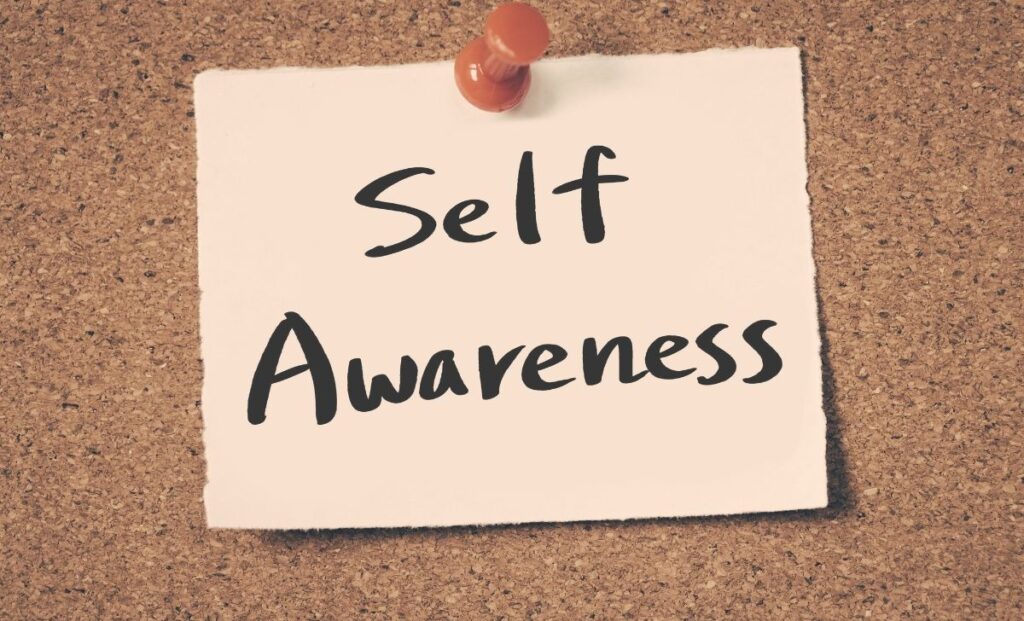
Character development starts with understanding yourself deeply, your values, triggers, blind spots, and default patterns under stress.
Regularly reflect on your decisions and their alignment with stated values. When you compromise principles for convenience, what justifications do you use? These patterns reveal where character development is needed most.
Seek honest feedback about how others experience your leadership. Building trust quickly with your team requires understanding gaps between your intentions and your impact.
Moreover, examine your motivations honestly. Are you leading to serve others or to feed your ego? Both drives exist in most leaders, but their balance determines character quality.
Keep a leadership journal. Document difficult decisions, ethical dilemmas you faced, and how you handled them. Over time, patterns emerge that show your character’s strengths and vulnerabilities.
In addition, identify your values explicitly. Don’t just adopt corporate values, determine what principles you’ll never compromise regardless of pressure or consequences.
Developing Moral Courage in Daily Decisions
Courage isn’t just about grand gestures during crises. Character develops through countless small choices where you prioritize principles over comfort.
Practice speaking up when you notice problems, even when it’s uncomfortable. Silence in the face of issues, whether ethical violations or strategic mistakes, erodes character gradually.
Challenge decisions you believe are wrong, even when challenging authority feels risky. Leaders with character value being right more than being liked or avoiding conflict.
However, distinguish between moral courage and stubbornness. Courage means advocating for principles despite personal risk. Stubbornness means refusing to change your mind regardless of evidence.
Defend team members who can’t defend themselves. When someone is unfairly blamed or criticized in their absence, your willingness to speak up defines your character more than any values statement.
Therefore, admit mistakes quickly and fully. The courage to say “I was wrong” without excuses or justifications builds respect faster than pretending you’re infallible.
Practicing Accountability and Ownership
Character reveals itself most clearly in how you handle responsibility, especially when things go wrong.
Own outcomes completely. When projects fail or problems arise, your first response should be accepting responsibility, not explaining why it wasn’t your fault.
Create psychological safety by modeling fallibility. What experienced managers wish they knew earlier often includes the power of admitting uncertainty and mistakes openly.
In addition, hold others accountable fairly and consistently. Character shows up in applying standards equally regardless of personal relationships or political convenience.
Follow through on commitments religiously. Your reliability on small promises builds the credibility needed when making larger commitments during critical moments.
However, distinguish between accountability and perfectionism. Owning mistakes doesn’t mean beating yourself up endlessly. It means learning, adjusting, and moving forward with integrity intact.
Let’s Work Together!
Looking forward to exploring how Learnit can support your learning & development programs.
Cultivating Humility Without Losing Confidence
Humility and confidence seem contradictory but effective leadership requires both. Humility without confidence becomes timidity. Confidence without humility becomes arrogance.
Actively credit others for successes. When teams achieve results, highlight specific contributions publicly. Leaders with character shine light on others rather than hoarding recognition.
Seek input from people at all levels. Don’t assume your position grants you superior insight. Often, frontline employees understand problems and solutions better than executives.
Moreover, acknowledge what you don’t know. Saying “I need to learn more about this” demonstrates strength, not weakness. Pretending expertise you lack destroys credibility quickly.
Ask for help when you need it. Leaders with character recognize they can’t do everything alone and that requesting support shows wisdom, not inadequacy.
Therefore, celebrate others’ achievements genuinely, even when they outshine you. Secure leaders feel no threat from team members who excel, they feel pride.
Making Ethical Decisions Under Pressure
Character gets tested when ethical choices conflict with personal interests, organizational pressure, or short-term results.
Develop a decision-making framework before crises hit. Define your non-negotiables, principles you’ll never compromise regardless of consequences. This clarity helps during heated moments when emotions cloud judgment.
Use the publicity test: Would you be comfortable if this decision appeared on tomorrow’s front page? If not, reconsider your choice regardless of whether anyone will find out.
In addition, consult diverse perspectives when facing ethical dilemmas. Surrounding yourself only with like-minded people creates blind spots where questionable decisions seem reasonable.
Consider long-term implications beyond immediate outcomes. Decisions that feel expedient today often create larger problems later when character compromises compound over time.
However, recognize that ethical leadership sometimes means accepting negative consequences. Standing by principles may cost opportunities, relationships, or even your position. That’s when character matters most.
Building Trust Through Consistent Actions

Character without consistency is just performance. Trust develops when your team can predict that your principles won’t shift based on convenience.
Align your private actions with public statements. If you talk about work-life balance but email at midnight expecting immediate responses, your character statement rings hollow.
Treat people consistently regardless of their status or usefulness to you. How you treat people who can’t benefit you reveals character more clearly than how you treat influential stakeholders.
Moreover, maintain principles during both success and struggle. Character shown only when things go well disappears when tested by adversity.
Keep confidences absolutely. When someone shares information in confidence, protecting that trust, even when sharing might benefit you, builds reputation for integrity.
Therefore, follow the same rules you enforce on others. Double standards destroy character credibility faster than almost anything else leaders do.
Exploring leadership-development-cost helps organizations invest wisely in character-focused leadership programs, compare program pricing options, and ensure every development dollar spent builds principled, trustworthy leaders who deliver sustainable long-term results.
When character gaps surface as arrogant or resistant behaviours, knowing how-to-coach-an-arrogant-employee equips managers with targeted coaching strategies to address difficult attitudes, rebuild team trust, and strengthen leadership character across the organization.
Investing in Continuous Character Development
Character isn’t fixed, it requires ongoing cultivation throughout your leadership journey.
Individual growth includes moral development alongside skill acquisition. Seek resources that challenge your ethical reasoning and expand your moral imagination.
Read widely about ethics, philosophy, and moral leadership. Exposure to different ethical frameworks and historical examples of principled leadership deepens your character foundation.
In addition, find mentors who embody the character qualities you aspire to develop. Observe how they handle ethical dilemmas and maintain integrity under pressure.
Participate in leadership development programs that explicitly address character alongside competencies. Technical training without character development creates skilled but potentially dangerous leaders.
Moreover, engage in regular self-assessment. Are you becoming the leader you want to be? Where are you compromising principles you once held sacred? These questions keep character development active.
Let’s Work Together!
Looking forward to exploring how Learnit can support your learning & development programs.
Leading with Character During Organizational Challenges
Character faces its greatest tests when organizations encounter crises, changes, or ethical pressures that tempt expedient solutions.
Maintain transparency during uncertainty. When you can’t share everything, explain what you can and why some information must remain confidential. This honesty builds trust even in difficult circumstances.
Protect vulnerable team members during restructures or changes. Character shows up in how you treat people who no longer benefit your career or organizational standing.
In addition, resist pressure to compromise ethics for results. When leadership demands questionable actions, your willingness to push back or accept consequences defines your character legacy.
Support team members who raise ethical concerns. Creating psychological safety for people to speak up about problems demonstrates character commitment beyond personal conduct.
Therefore, model resilience without losing compassion. Teams need leaders who stay steady during storms while remaining connected to the human impact of difficult decisions.
Frequently Asked Questions
Can character be developed, or is it fixed by adulthood?
Character absolutely can be developed throughout life. While childhood experiences shape initial character formation, conscious effort at any age can strengthen integrity, courage, and ethical judgment. Character development requires intentional practice, honest self-reflection, and willingness to change ingrained patterns.
How do I balance character and achieving results in competitive environments?
Strong character and high performance aren’t opposites, they’re complementary. Leaders with integrity build trust that enables better collaboration, innovation, and sustained performance. Short-term results might sometimes require character compromises, but long-term success requires maintaining principles that build lasting organizational health.
What if my organization’s culture doesn’t value character?
You can maintain personal character even in challenging environments. Focus on your sphere of influence, how you treat your team, make decisions, and conduct yourself. Sometimes this means accepting that certain organizations don’t align with your values and finding opportunities where character is valued.
How do I admit mistakes without losing credibility as a leader?
Admitting mistakes actually strengthens credibility when done well. Own the error clearly, explain what you’re learning, and describe corrective actions. Teams respect leaders who acknowledge fallibility more than those who pretend perfection. The key is coupling admission with accountability and forward action.
What’s the difference between character and personality in leadership?
Personality involves natural traits like introversion or expressiveness, relatively fixed patterns of behavior. Character involves moral qualities like integrity and courage, developed through conscious choice and practice. You can’t change your core personality, but you can always develop stronger character regardless of personality type.
Conclusion
Character development and leadership aren’t separate tracks, they’re deeply interconnected dimensions of effective leadership that deserve equal attention.
Skills and strategies create capable managers. Character creates leaders people genuinely want to follow. When you combine competence with integrity, courage, humility, and accountability, you build influence that lasts beyond your tenure.
Character development isn’t a one-time achievement, it’s a lifelong practice of aligning actions with values, especially when doing so requires personal sacrifice. Every decision, conversation, and challenge offers opportunities to strengthen or compromise your character.
Start where you are. Identify one character dimension that needs development and focus there intentionally. Seek feedback, reflect honestly, and practice consistently until new patterns become automatic.