Table of Contents
Most organizations promote people into leadership roles based on technical competence, then wonder why these newly minted managers struggle. The assumption that high performers automatically become effective leaders creates predictable disasters.
Leadership development institutes exist to bridge this gap systematically. These structured programs transform individual contributors into capable leaders through intentional skill-building across multiple stages of leadership development.
Unlike one-off workshops or scattered training sessions, leadership institutes provide comprehensive development pathways that align with how leaders actually grow. They recognize that leadership isn’t a single skill but a progressive journey through distinct capability levels.
This guide explores what leadership development institutes are, how they’re structured, and why organizations invest in them to build leadership pipelines that drive sustained success.
What Leadership Development Institutes Actually Do
A leadership development institute is a structured program designed to systematically build leadership capabilities across an organization. Think of it as an internal university focused exclusively on developing leaders at every level.
These institutes differ from traditional training in scope and approach. Rather than teaching isolated skills, they develop complete leadership competencies through integrated curricula that evolve as participants advance through career stages.
Moreover, effective institutes customize development to specific organizational contexts. They don’t just teach generic leadership principles-they address the unique challenges, culture, and strategic priorities of the company they serve.
The best institutes combine multiple learning modalities: classroom instruction, experiential projects, coaching, peer learning, and real-world application. This blended approach ensures knowledge translates into actual behaviour change.
Therefore, leadership development institutes function as talent pipelines that identify, develop, and accelerate high-potential employees into critical leadership roles systematically rather than haphazardly.
Let’s Work Together!
Looking forward to exploring how Learnit can support your learning & development programs.
Understanding the Stages of Leadership Development
Leadership institutes structure programming around developmental stages because people don’t become leaders overnight. They progress through predictable phases that require different capabilities at each level.
Stage 1: Self-Leadership forms the foundation. New leaders must manage themselves effectively before managing others. This includes emotional intelligence, self-awareness, time management, and personal accountability.
During this stage, individuals learn to regulate their own behaviour, set boundaries, and maintain productivity without external supervision. These capabilities seem basic but prove essential for everything that follows.
Stage 2: Leading Others introduces direct people management. Leaders learn to delegate, give feedback, have difficult conversations, and motivate team members with different personalities and preferences.
This transition from individual contributor to manager represents the most challenging leadership leap. Building trust quickly with their teams becomes critical as new managers establish credibility.
Stage 3: Leading Leaders requires developing other managers and coordinating across teams. Skills shift toward strategic thinking, organizational dynamics, and developing leadership capability in direct reports.
In addition, leaders at this stage navigate organizational politics, influence without authority, and balance competing priorities across multiple teams. Complexity increases significantly beyond frontline management.
Stage 4: Leading Organizations involves setting vision, shaping culture, and making enterprise-level decisions. Executive leaders focus on long-term strategy, stakeholder management, and organizational transformation.
Understanding these stages helps institutes design appropriate interventions. Teaching stage 4 skills to stage 1 leaders overwhelms them, while providing only stage 1 content to experienced managers wastes their time.
Core Components of Effective Leadership Institutes
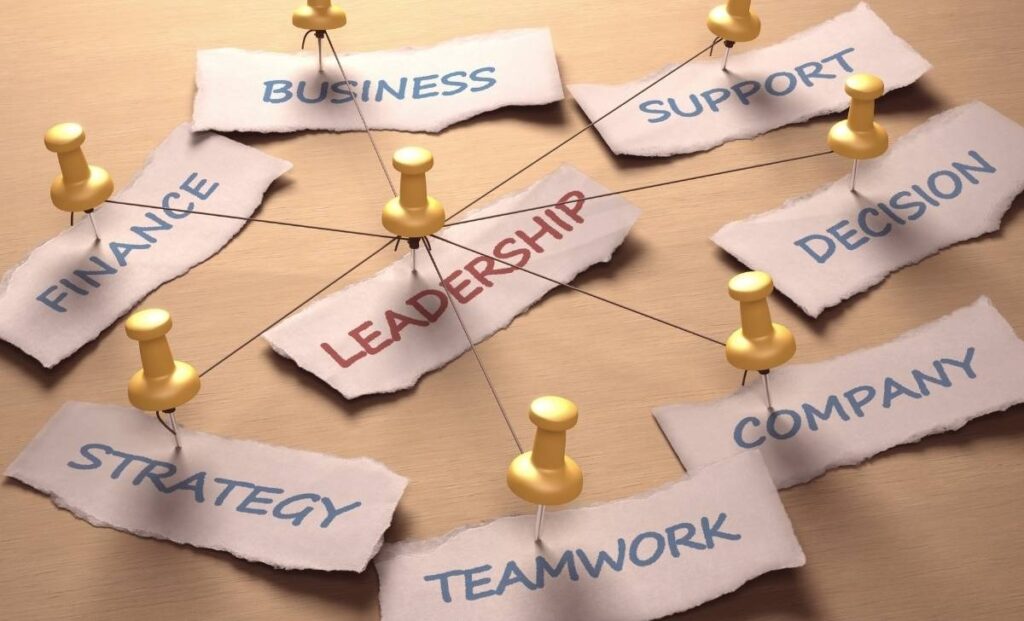
Well-designed institutes share common structural elements that make them effective development vehicles rather than glorified training catalogs.
Competency frameworks define what good leadership looks like at each organizational level. These frameworks guide curriculum design and help participants understand capability expectations as they advance.
Clear frameworks also enable assessment. Leaders can identify gaps between current capabilities and level requirements, then focus development efforts where they matter most.
Cohort-based learning creates peer networks that outlast formal programming. Learning alongside others facing similar challenges provides support, accountability, and diverse perspectives that individual development can’t match.
Moreover, cohort structures allow collaborative projects that simulate real leadership challenges. Working through complex problems as groups develops skills that lecture-based learning never could.
Action learning projects apply concepts to actual business challenges. Rather than hypothetical case studies, participants tackle real organizational problems, presenting recommendations to senior leadership.
These projects demonstrate immediate value, making development investment tangible. They also provide low-risk opportunities to practice strategic thinking and executive communication before these skills become job requirements.
Coaching and mentoring personalize development beyond group instruction. One-on-one coaching addresses individual growth areas, while mentoring relationships provide career guidance and organizational wisdom.
Therefore, successful institutes integrate multiple development methods rather than relying solely on classroom training. This comprehensive approach addresses different learning styles and reinforces concepts through varied experiences.
How Leadership Institutes Align with Business Strategy
The most effective institutes don’t just develop generic leadership skills—they build capabilities that advance specific organizational priorities.
Strategic alignment starts with understanding critical business challenges. If your company is pursuing aggressive growth, leadership development emphasizes scaling operations and building teams. If transformation is the priority, change management and innovation become curriculum focal points.
Leadership competencies connect directly to business outcomes. Rather than teaching leadership for leadership’s sake, institutes demonstrate how specific capabilities drive results that matter to organizational success.
In addition, institutes help cascade strategy throughout organizations. As leaders develop strategic thinking skills, they better understand and communicate direction to their teams, creating alignment that pure top-down communication never achieves.
Talent pipeline development supports succession planning. Institutes identify and prepare high-potential employees for critical roles before vacancies occur, reducing external hiring costs and maintaining institutional knowledge.
However, alignment requires ongoing calibration. Business strategies evolve, which means leadership development must adapt accordingly. Static programs become irrelevant quickly in dynamic environments.
Reviewing leadership-development-cost helps organizations budget strategically for institute programs, evaluate pricing models across different delivery formats, and ensure every investment in structured leadership development delivers measurable, long-term business value.
When institute programs surface persistent behavioural challenges in emerging leaders, knowing how-to-coach-an-arrogant-employee equips facilitators and managers with targeted coaching techniques to address resistant attitudes and protect overall program effectiveness.
Let’s Work Together!
Looking forward to exploring how Learnit can support your learning & development programs.
Measuring Leadership Institute Effectiveness
Organizations invest significant resources in leadership development. Demonstrating return on that investment requires thoughtful measurement beyond attendance numbers and satisfaction surveys.
Behaviour change represents the first meaningful metric. Are participants applying new skills in their actual roles? 360-degree assessments before and after programs reveal whether development translates into observable leadership improvement.
Track promotion rates of institute participants compared to non-participants. If development accelerates career progression, it indicates the institute is successfully building promotion-ready capabilities.
Moreover, monitor team performance metrics for leaders who complete programs. Do their teams show improved engagement, retention, productivity, or innovation after their managers develop new leadership skills?
Assess business impact through action learning projects. Calculate the value of the solutions participants implement. Many institutes generate multiples of their cost through these applied business outcomes alone.
Therefore, measure retention of high-potential talent. If your best emerging leaders leave despite development investment, something’s wrong with either selection or programming quality.
Different Institute Models and Structures
Leadership institutes take various forms depending on organizational size, resources, and development philosophy. Understanding options helps design programs appropriate for your context.
In-house institutes are fully internal, with company employees designing and delivering all content. These offer maximum customization and cultural alignment but require substantial internal expertise and resources.
Organizations with dedicated learning and development teams often pursue this model. It works especially well for large companies with enough leaders to justify full-time staff supporting development.
Partnership models combine internal ownership with external expertise. Companies design their strategy and select participants internally, but contract with universities, consultancies, or training firms for curriculum delivery.
This approach balances customization with access to specialized expertise your organization might lack. It’s particularly effective for mid-sized companies without extensive internal L&D capabilities.
Cohort programs within broader universities bring together leaders from multiple organizations. Executive education programs at business schools follow this model, providing cross-industry perspectives and networking.
However, these programs sacrifice company-specific customization. They work best for developing general leadership capabilities rather than addressing unique organizational challenges.
Let’s Work Together!
Looking forward to exploring how Learnit can support your learning & development programs.
Building Leadership Institutes from Scratch
Creating an institute requires strategic planning, executive commitment, and patient implementation. Rushed launches often fail because foundational elements aren’t properly established.
Start by defining clear objectives aligned with business strategy. What leadership gaps currently constrain organizational performance? What capabilities will you need three to five years from now?
Develop your competency framework next. What does leadership excellence look like at each level in your organization? This framework guides everything that follows.
In addition, secure executive sponsorship explicitly. Leadership development institutes succeed when senior leaders actively participate, not just endorse. Their involvement signals importance and provides participant access to strategic perspectives.
Design curriculum thoughtfully, beginning with core programming for the largest population. Don’t try to build comprehensive offerings across all levels simultaneously. Start strong with one cohort, prove value, then expand.
Moreover, establish measurement systems from day one. Baseline assessments before programs begin enable you to demonstrate growth and impact that justify continued investment.
Management training programs can provide foundational content while you build customized components specific to your organizational needs.
Common Pitfalls and How to Avoid Them
Even well-intentioned leadership institutes fail when they fall into predictable traps. Awareness of these patterns helps you design around them proactively.
Generic content that could apply to any organization wastes time. Participants tune out when examples feel disconnected from their reality. Ground everything in actual company challenges and culture.
Lack of application between sessions means knowledge doesn’t transfer to behaviour. Build in structured practice, coaching support, and accountability for applying concepts in participants’ real roles.
Therefore, inconsistent leadership support undermines credibility. When senior leaders claim development is important but never participate or engage, everyone gets the real message.
Selection without criteria fills programs with whoever’s available rather than who would benefit most. Clear selection processes ensure you’re developing people with both capability and potential to advance.
However, treating development as one-time events rather than ongoing journeys limits impact. Leadership growth happens over years, not weeks. Design progressive pathways rather than standalone programs.
Integrating Technology and Innovation

Modern leadership institutes leverage technology to enhance effectiveness and reach without sacrificing the human connection essential to leadership development.
Learning management systems deliver content flexibly while tracking progress and completion. Self-paced modules allow participants to learn foundational concepts before group sessions focus on application and discussion.
Virtual reality simulations provide risk-free practice for difficult conversations, crisis management, or strategic decision-making. These experiential learning tools build capabilities that traditional methods struggle to develop.
In addition, AI-powered coaching supplements human coaching by providing on-demand feedback and resources. While not replacing human coaches, AI can make development support more accessible between scheduled sessions.
Social learning platforms enable ongoing peer connection beyond formal cohort meetings. Participants share challenges, celebrate wins, and crowdsource solutions, extending learning communities throughout the year.
Moreover, data analytics reveal patterns in leadership capability gaps across the organization. These insights guide curriculum refinement and help target development resources where they’ll generate maximum impact.
Business Case for Leadership Development Institutes
Leadership institutes require significant investment. Building the case for funding means demonstrating a clear return that justifies costs.
Reduced external hiring for leadership roles saves substantially. Developing internal talent costs less than recruiting externally, while preserving institutional knowledge and culture.
Improved retention of high-potential talent prevents costly turnover. Providing clear development pathways makes emerging leaders more likely to stay rather than seek growth elsewhere.
In addition, accelerated performance from better-developed leaders impacts bottom-line results. Teams with skilled managers consistently outperform those with underdeveloped leadership.
Succession readiness reduces risk when critical leaders depart. Having prepared successors prevents leadership gaps that disrupt operations or require expensive interim solutions.
Therefore, calculate potential impact conservatively. Even modest improvements in retention, promotion readiness, and team performance typically generate returns exceeding institute costs within two to three years.
Individual growth investments and structured membership programs complement internal institutes by providing additional resources for continuous development.
Frequently Asked Questions
How long does it take to build an effective leadership development institute?
Establishing a basic institute takes 6-12 months of planning and design, with another 12-18 months to run initial cohorts and refine based on feedback. Building a fully mature institute with programming across all leadership levels typically requires 3-5 years of iterative development and expansion.
What size organization needs a formal leadership development institute?
Organizations with 200+ employees and multiple leadership layers benefit most from formal institutes. Smaller companies can achieve similar outcomes through structured programs without full institute infrastructure. The key factor is whether you have enough leaders to justify dedicated development programming.
Should we build in-house or partner with external providers?
This depends on internal expertise and resources. Companies with strong L&D teams and sufficient scale can build in-house for maximum customization. Organizations lacking these capabilities benefit from partnerships that provide expert content while maintaining internal strategic control and participant selection.
How do we select participants for leadership development programs?
Establish clear selection criteria combining performance, potential, and readiness. High performers with capacity for growth, organizational commitment, and openness to development make ideal candidates. Avoid selecting based solely on tenure or as a reward for past achievement without considering future leadership potential.
What’s the difference between leadership training and a development institute?
Training focuses on specific skills delivered through discrete programs. Institutes provide comprehensive, progressive development pathways that build capabilities systematically over time. Training is transactional; institutes are transformational. Think one-off workshop versus a multi-year developmental journey aligned with career progression.
Conclusion
Leadership development institutes represent strategic investments in organizational capability that pay dividends for years. Understanding the stages of leadership development allows institutes to design programming that meets leaders where they are and prepares them for next-level challenges.
Effective institutes combine structured curriculum, experiential learning, coaching, and peer development to create comprehensive growth experiences. They align with business strategy, measure impact rigorously, and evolve as organizational needs change.
Building an institute requires commitment, patience, and ongoing refinement. Start with clear objectives tied to business outcomes, secure executive sponsorship, and design thoughtfully rather than rushing to launch.
The investment in systematic leadership development strengthens your entire organization. Better leaders create better teams, which drive better business results. This compounding effect makes leadership institutes among the highest-return investments organizations can make.